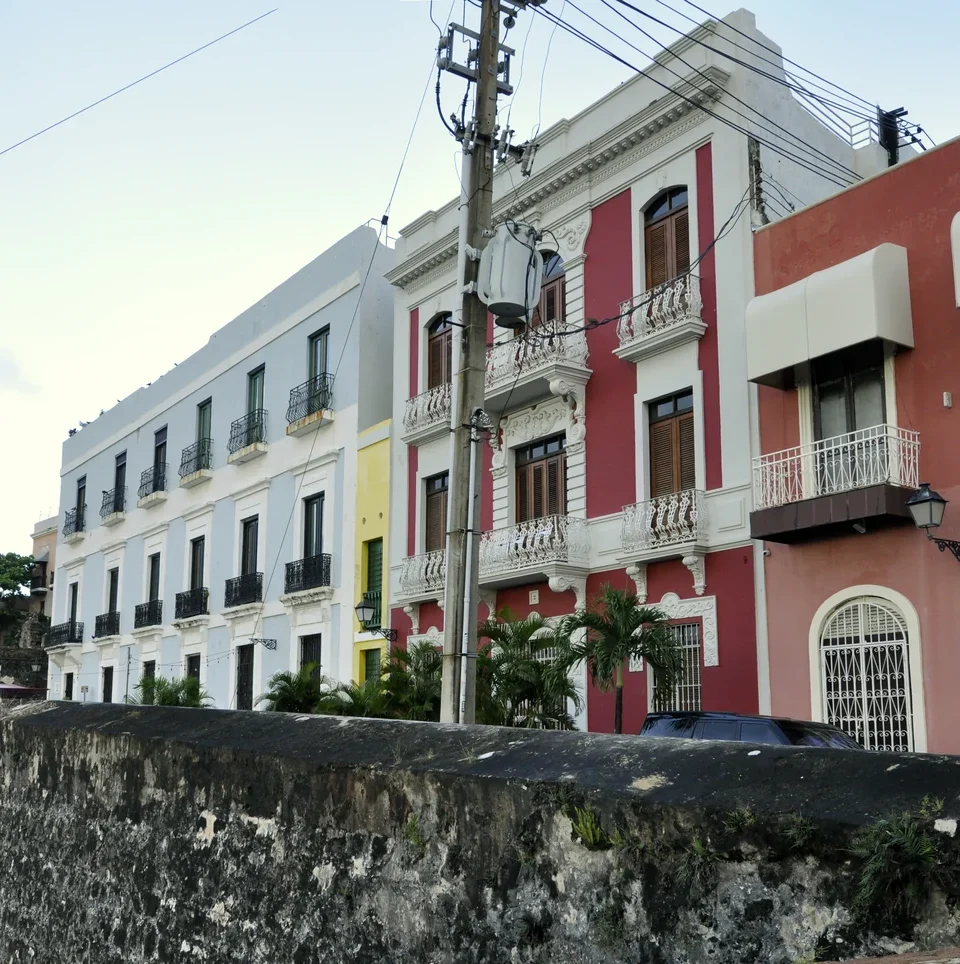
The walls can look immediate and solid, but their history is a process rather than a single moment. Repairs, additions, changing military uses and conservation all belong to the story. Looking at the fortifications with that in mind gives the view more depth than treating them as a generic castle backdrop.
Two forts, different purposes
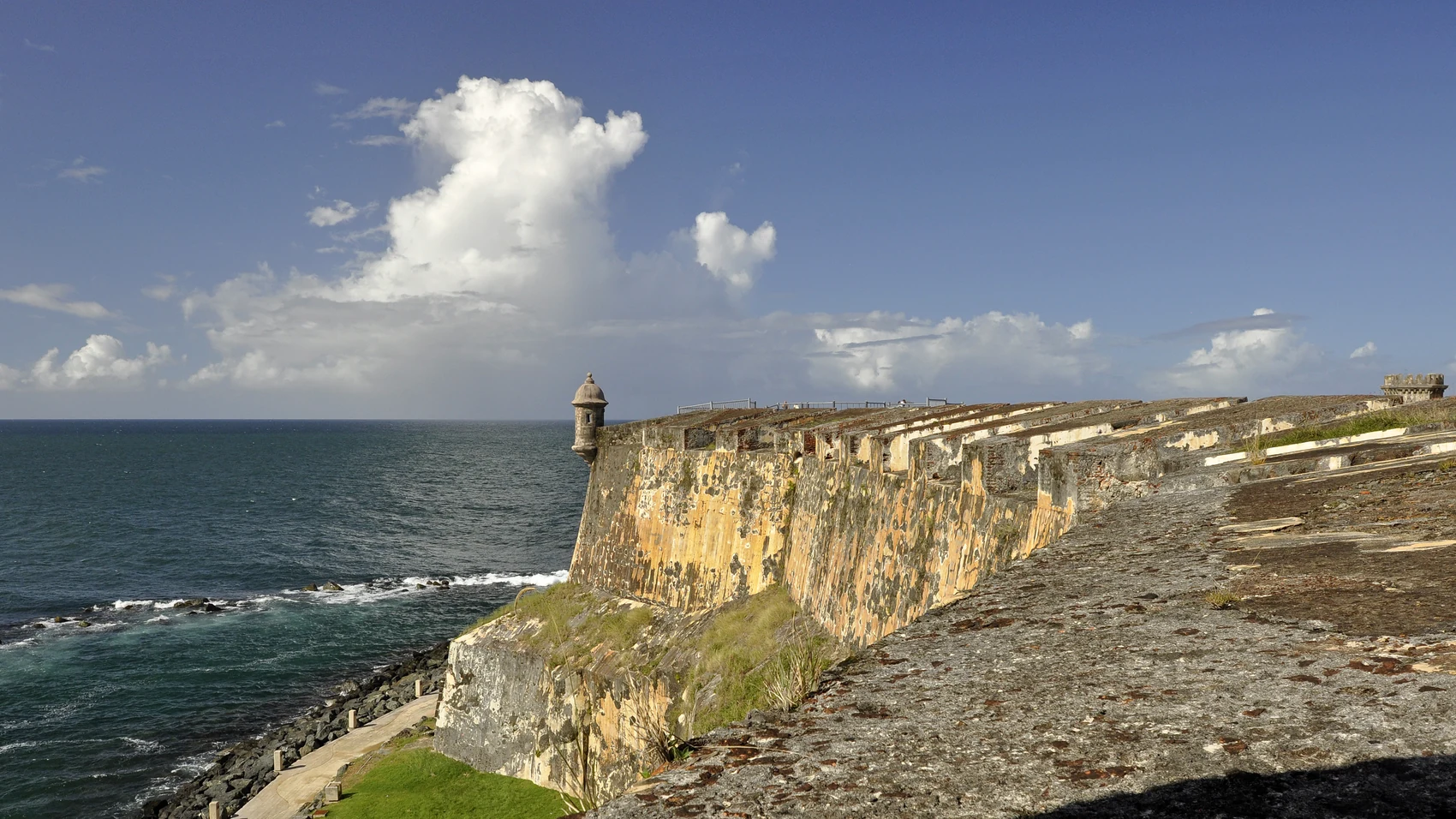
The National Park Service distinguishes El Morro’s defense against sea attack from San Cristóbal’s defense against land attacks and sieges. Its history account describes long periods of construction and alteration: El Morro began in 1539, while San Cristóbal developed from the seventeenth century onward.

Authentic Flavors of San Juan Food Tour
Join your host for a 3-hour culinary exploration of staples like single-origin Puerto Rican coffee, Caribbean sourced chocolate, street food and mojit...

Old San Juan Walking Tour
Note: Participants must be capable of walking long distances. Discover the beauty of Old San Juan with writer David...

San Juan Guided Turtle Snorkel Tour and Complimentary Videos
Dive into the ultimate snorkeling experience in San Juan, Puerto Rico, where you can swim with sea turtles in clear...

San Juan Sunset Harbor Boat Ride
Hop aboard and join us for a captivating journey on a sunset pontoon boat tour, exploring the timeless allure of San...
Source: National Park Service history and culture account. Reviewed 14 September 2026.
That difference can guide your questions during a visit. Look at how a structure faces its surroundings, what it overlooks and how its spaces connect. Interpretation at the site can help explain features that are not obvious from a photograph alone.
Engineering and power belong together
UNESCO describes the property as a record of military architecture adapted over centuries to a Caribbean port. It also places the structures within the imperial struggles that shaped the Americas. The technical achievement and the political purpose should be read together.
Source: UNESCO’s La Fortaleza and San Juan National Historic Site account. Reviewed 14 September 2026.
The National Park Service’s introductory account explains why Spain valued Puerto Rico’s strategic position in connection with its wider colonial territories. That context prevents a fortification visit from becoming only an appreciation of impressive stonework. Ask who held power, what was being protected and how the city’s civilian life related to its defenses.
Source: National Park Service basic historical context. Reviewed 14 September 2026.
Choose what you want to understand
Our suggestion is to choose one or two questions for the visit. You might follow how a defensive position relates to the sea, compare construction phases, or pay attention to the way a military complex was used over time. You do not need to master the entire chronology before arriving.
Read the site’s interpretation alongside what you can see. If a surface or structure has been repaired, that is part of the conservation story rather than a reason to imagine the place as untouched. A historic site remains an actively cared-for place.
Keep the visit practical
Consult the park’s current visitor information for access, areas available to visit and any changes. Do not build a plan around the assumption that every level or route is open. If a specific access need matters to your group, ask about the exact part of the site rather than relying on a general label.
- Pick a manageable amount of the site to explore.
- Leave time to read and ask questions rather than only move between views.
- Follow the marked visitor routes and restrictions.
- Allow a break before deciding whether to add another major stop.
A clearly identified view
The image opening this guide is P. Hughes’s November 2018 photograph of El Morro’s walls facing the Atlantic. It is not San Cristóbal, La Fortaleza or a present-day access map. Its caption keeps that location and date visible.

Cave, Waterfall and River Adventure in Charco Azul from San Juan
This is an absolutely unforgettable experience. This day trip has it all: adventure, pristine tropical rivers, waterfalls, cave swimming, beautiful sc...

Puerto Rico Jet Snorkel with Turtles and Videos in San Juan
Everyone wants to snorkel, but who wants to spend all the energy that it takes? Jet snorkel allows customers to snor...

Top Rated El Yunque Rainforest & Waterslide – SmallGroup Tour
Adventure into the rainforest on a historical journey where you'll discover various natural wonders. Complimentary t...

El Yunque Tour with Luquillo Lunch Stop and Transport: 6 ppl Max
Our certified guides go above and beyond to create an unforgettable experience for you! We focus on tours with exclu...
For a different scale of the old city, turn to streets and plazas. If the fort is your main commitment, use the walking-plan guide to leave a comfortable amount of room around it.