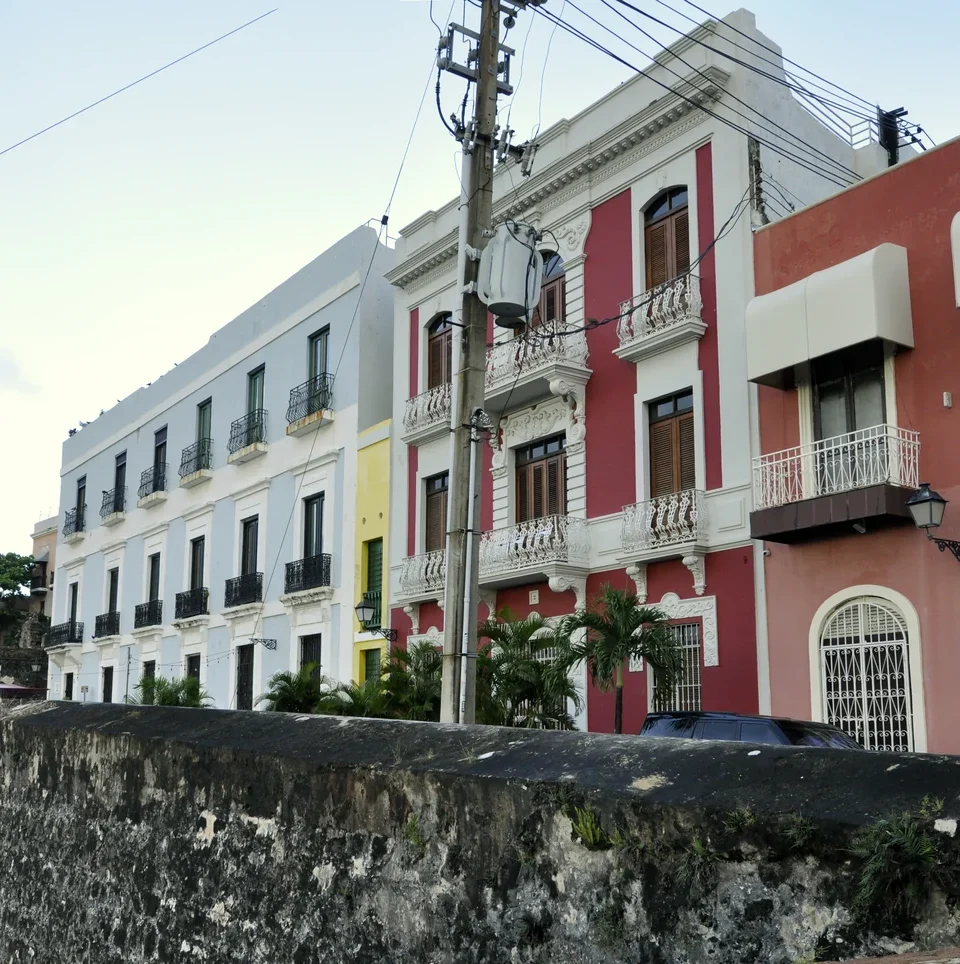
Color is an easy way into a photograph. It is a less complete way into a city. Old San Juan’s painted buildings can draw your attention, but a thoughtful visit also makes time for the institutions, work and conversations that a façade cannot explain.
Let a cultural institution add context
Museo de las Américas describes a mission centered on the history and cultures of the Americas, with particular emphasis on Puerto Rico. Its exhibition subjects include popular arts, Indigenous histories, African heritage, and conquest and colonization. These offer different questions from the ones a street photograph answers.
Authentic Flavors of San Juan Food Tour
Join your host for a 3-hour culinary exploration of staples like single-origin Puerto Rican coffee, Caribbean sourced chocolate, street food and mojit...

Old San Juan Walking Tour
Note: Participants must be capable of walking long distances. Discover the beauty of Old San Juan with writer David...

San Juan Guided Turtle Snorkel Tour and Complimentary Videos
Dive into the ultimate snorkeling experience in San Juan, Puerto Rico, where you can swim with sea turtles in clear...

San Juan Sunset Harbor Boat Ride
Hop aboard and join us for a captivating journey on a sunset pontoon boat tour, exploring the timeless allure of San...
Source: Museo de las Américas’ own mission and collection information. Reviewed 14 September 2026.
Before visiting, consult the museum’s current information and choose what interests you. A building can be an architectural subject, while the institution inside has its own collection, educational work and point of view. Give those two things separate attention.
We do not claim a partnership, interview or first-hand visit. The museum’s own account is the source for its work. Follow the institution’s photography and visitor rules rather than assuming that what is visible online can be treated the same way inside.
A meal is not an interruption
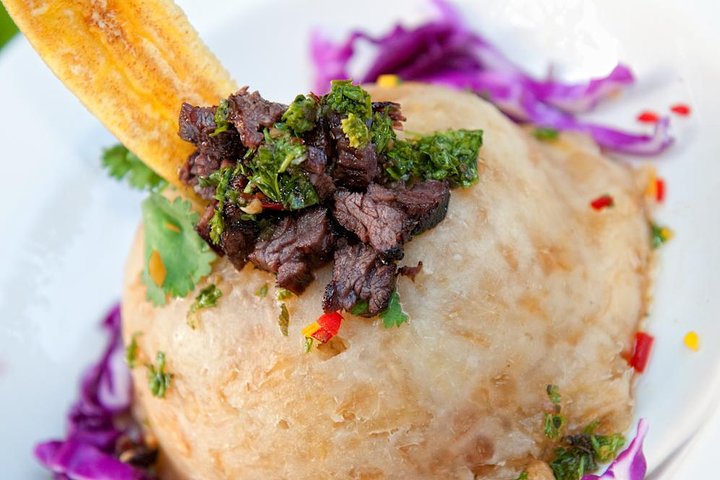
Leave some time to choose food without rushing to the next landmark. Read the actual menu and ask about ingredients or dietary needs directly. A familiar dish name does not guarantee a particular preparation, and an old restaurant sign in a photograph does not establish that a business still operates.
If you are curious about a preparation or a shop’s work, ask when the person has time to answer. Respecting someone’s working pace makes a better encounter than treating every exchange as content to collect. Ask permission before making a person the clear subject of a photograph.
Read photographs with their dates
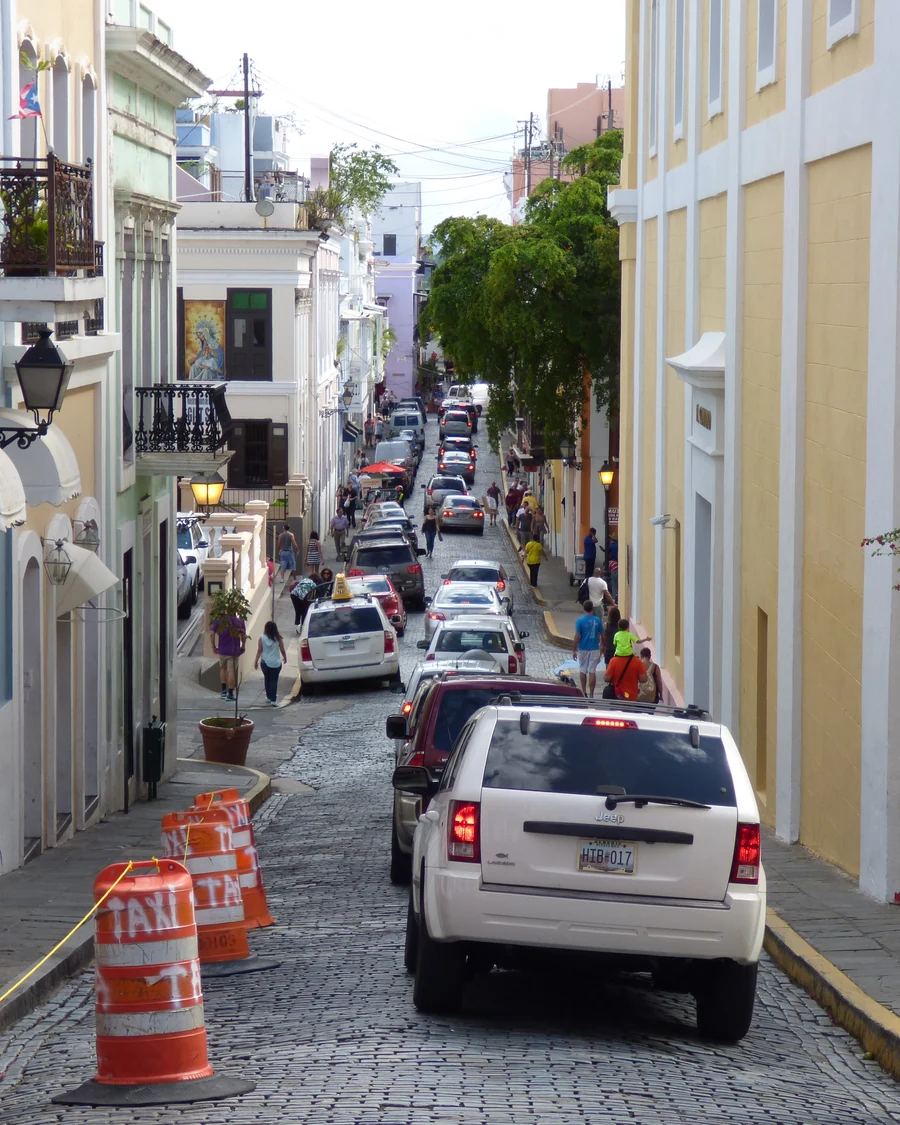
The opening image is Jruizalvarez’s March 2019 street scene. It includes people, vehicles and commercial signs alongside architectural detail. Those elements are part of the recorded city, not clutter removed to create an empty image.
We use dated photographs to explain place and visual context. We do not turn them into current shopping recommendations or claim to know the people depicted. A picture can prompt interest without supplying an invented personal story.
Make one choice more slowly
Our editorial suggestion is to give one part of the day more time than you first planned. That might be a museum gallery, a meal or a pause in a public square. The point is not to fill every spare interval. It is to leave room for something that cannot be reduced to a quick exterior view.
- Choose an institution by its subject, not just its building.
- Read a menu before deciding where to sit.
- Keep doorways and working areas clear.
- Let people decline a photograph without explanation.
- Keep a record of the source when a story leads you to another place.
Return to the wider city story

Cave, Waterfall and River Adventure in Charco Azul from San Juan
This is an absolutely unforgettable experience. This day trip has it all: adventure, pristine tropical rivers, waterfalls, cave swimming, beautiful sc...

El Yunque Tour with Luquillo Lunch Stop and Transport: 6 ppl Max
Our certified guides go above and beyond to create an unforgettable experience for you! We focus on tours with exclu...

Puerto Rico Jet Snorkel with Turtles and Videos in San Juan
Everyone wants to snorkel, but who wants to spend all the energy that it takes? Jet snorkel allows customers to snor...

Top Rated El Yunque Rainforest & Waterslide – SmallGroup Tour
Adventure into the rainforest on a historical journey where you'll discover various natural wonders. Complimentary t...
Fortifications, public spaces and contemporary cultural work are different parts of the neighborhood. None needs to stand in for all of it. Read the fortification chapter for historical context, or choose a quieter street-and-plaza sequence for the next part of your visit.